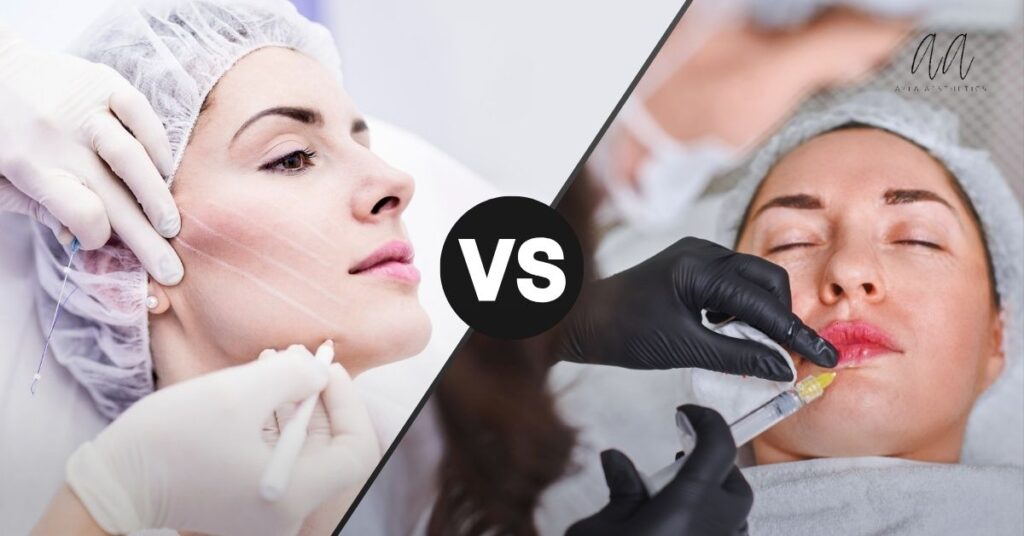
Biostimulators and dermal fillers are two popular non-surgical treatments used to restore a more youthful look—but they work in very different ways. Fillers provide instant volume by adding substance under the skin, while biostimulators slowly boost your body’s natural collagen production for longer-lasting improvement.
Collagen is the protein that gives skin its structure, firmness, and ability to bounce back. As we age, collagen levels drop, leading to wrinkles, sagging, and thinning skin. That’s why treatments that rebuild collagen are so sought after—they go beyond the surface and help the skin renew itself from within.
This article breaks down how each option works, how long they last, and which one is better if you’re focused on long-term collagen growth. By the end, you’ll have a clear idea of which treatment is right for your skin goals and timeline.
What Are Dermal Fillers?
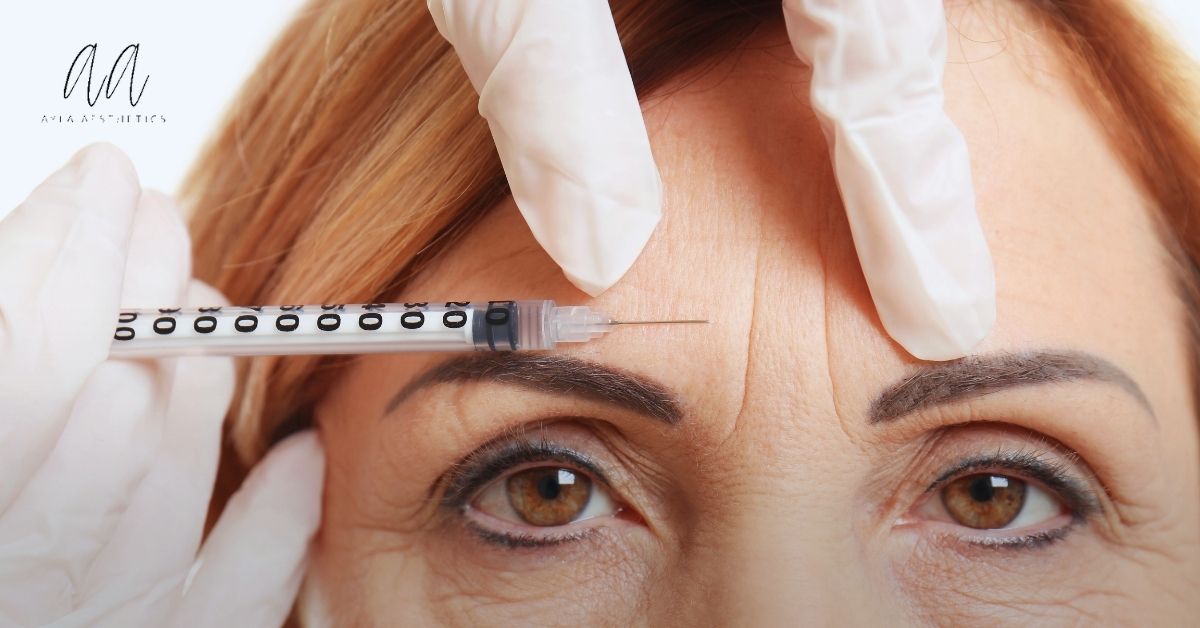
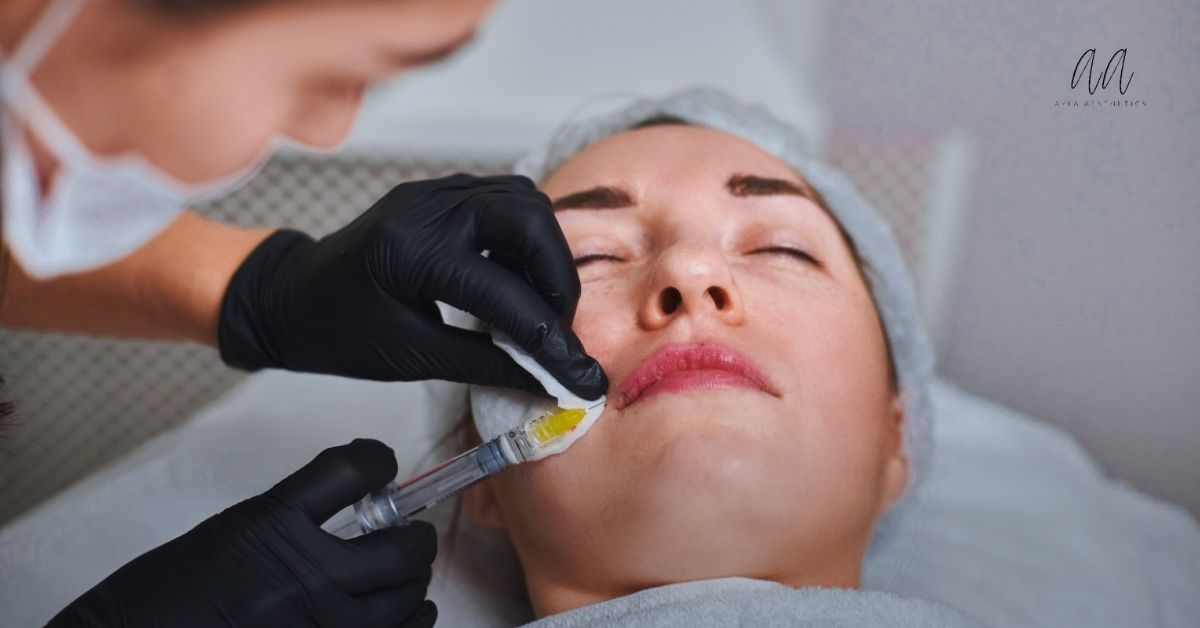
Dermal fillers are gel-like injections used to add volume under the skin. Most fillers are made from hyaluronic acid—a substance your body produces naturally to keep skin hydrated and smooth. When injected, fillers restore lost volume, soften wrinkles, and contour areas of the face that need structure or lift.
They work instantly by filling in gaps under the skin, which reduces the look of fine lines and folds. This makes them a popular choice for people who want quick, visible improvement without surgery.
Common treatment areas include the cheeks, lips, under-eye hollows, smile lines, and jawline. Results usually last 6 to 18 months depending on the product used, the area treated, and how fast your body breaks it down.
While fillers deliver fast results, they don’t actively renew the skin. That’s where biostimulators come in—with a focus on rebuilding collagen over time.
What Are Biostimulators?
Biostimulators are injectable treatments that work by encouraging your body to produce more collagen over time. Instead of filling space like dermal fillers, they act as a spark for your skin’s natural repair process. As new collagen forms, the skin becomes firmer, smoother, and more lifted.
Well-known biostimulators include Sculptra, Radiesse, and Ellansé. Each product is made from materials that safely trigger collagen regeneration. For example, Sculptra uses poly-L-lactic acid, and Radiesse uses calcium-based microspheres—all designed to activate your skin from within.
Results don’t appear overnight. As your body builds new collagen, subtle improvements surface over several weeks to months. The payoff is worth it—effects can last 2 to 3 years or even longer, depending on how your skin responds.
Biostimulators are ideal for people who want gradual, natural improvement with lasting benefits. Up next, let’s compare how biostimulators and fillers differ in purpose, longevity, and overall skin impact.
Key Differences Between Biostimulators and Fillers
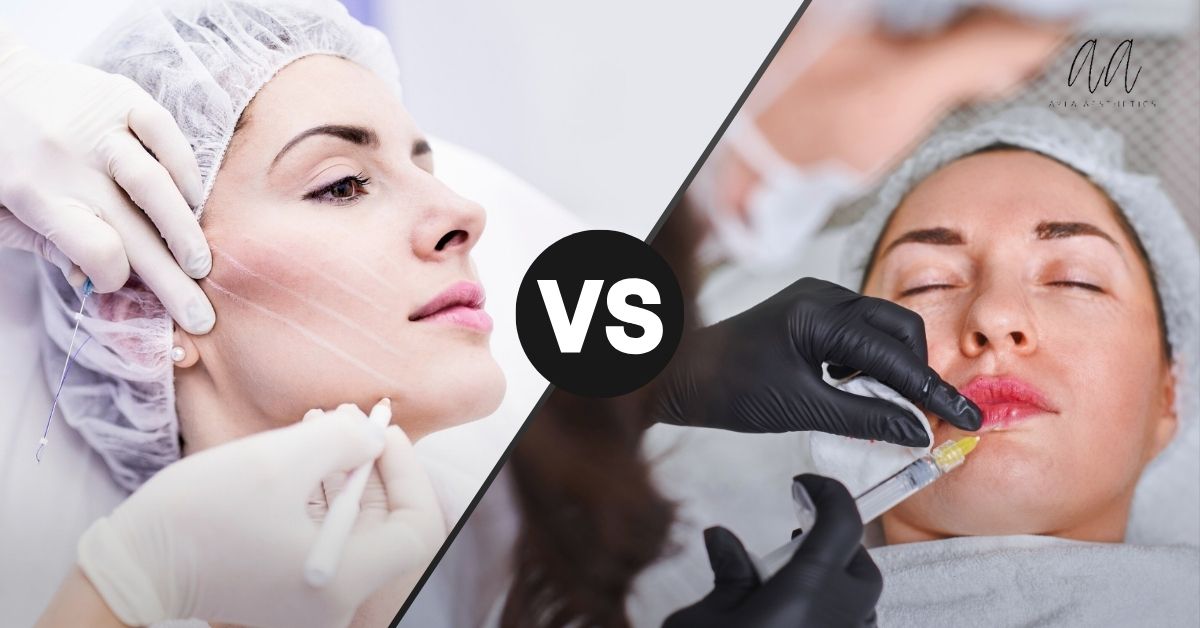
Biostimulators and dermal fillers both improve facial volume and smoothness, but they achieve it in different ways. Fillers work by adding gel beneath the skin for instant lift. Biostimulators, however, kickstart your skin’s internal collagen-building process for a gradual, long-lasting effect.
Fillers are ideal when you want fast results—such as plumping lips or lifting cheeks before an event. Biostimulators require patience but deliver deeper, structural improvement that can last up to three years or more.
Here’s a quick breakdown to make the comparison clear:
| Attribute | Dermal Fillers | Biostimulators |
| Primary Action | Instant volume | Stimulate collagen |
| Result Timeline | Immediate | Gradual (weeks to months) |
| Longevity | 6–18 months | 2–3+ years |
| Skin Quality | Minimal effect | Improved firmness and texture |
| Best For | Quick fixes | Long-term rejuvenation |
Because they serve different goals, choosing the right option depends on whether you want immediate results or a slow build of lasting change. Next, we’ll go deeper into which treatment is better for long-term collagen growth.
Which One Is Better for Collagen Growth?
For long-term collagen growth, biostimulators clearly take the lead. Their main purpose is to encourage your body to make more collagen on its own. Over time, this new collagen strengthens the skin’s structure, improves firmness, and restores a more youthful look from within.
Dermal fillers offer instant volume and can slightly boost hydration, but they don’t cause lasting changes in the skin’s foundation. As the filler fades, so do the results, unless you repeat the treatment.
Biostimulators gradually reshape the skin over months, building results that can last for years. They are especially effective for people dealing with early to moderate skin laxity or loss of facial structure due to aging.
That said, your goals matter. If you need quick volume correction or a subtle enhancement before an event, fillers may be better. But if you want long-term support for skin health and firmness, biostimulators are the smarter choice.
Can You Combine Both?
Yes — and in many cases, it’s the most effective strategy. Combining dermal fillers with biostimulators gives you the best of two worlds: instant results and long-term skin improvement. Fillers add shape and volume right away, while biostimulators work underneath to grow fresh collagen that supports the skin from within.
This combo approach helps:
- Restore volume instantly (cheeks, jawline, under-eyes)
- Improve skin texture and elasticity over months
- Reduce filler use in the future because the skin becomes firmer on its own
- Deliver balanced, natural-looking outcomes — no overfilled look
A real-life example: A patient with mid-face volume loss might receive a hyaluronic acid filler like Restylane for immediate contouring, and Sculptra in deeper layers to build collagen over time. The result? A lifted, natural face structure today and stronger, smoother skin in the long run.
Combination treatments work especially well for:
- Early to moderate signs of aging
- Sagging skin or loss of firmness
- Patients wanting gradual, lasting change rather than repeated “top-ups”
With the right provider, your treatment plan becomes a smart blend—quick enhancement now, structural renewal later.
Safety and Side Effects
Both dermal fillers and biostimulators are considered safe when used correctly, but they do carry some risks—just like any cosmetic procedure. Common side effects include temporary swelling, redness, and mild bruising at the injection site. These usually resolve on their own within a few days.
With dermal fillers, other risks include:
- Lumps or uneven texture if the filler isn’t placed properly
- Migration—rare, but possible if the product shifts
- Overfilling, which can create an unnatural look
Biostimulators have their own specific risks:
- Formation of small nodules under the skin if the product is injected too shallow or not massaged properly
- Delayed visible results may cause some people to think the treatment didn’t work—patience is key
These risks highlight the importance of choosing a licensed, experienced injector. A skilled provider knows how to assess your facial anatomy, apply the right technique, and handle complications if they arise. Good post-care also helps—following massage instructions for biostimulators, for instance, ensures the product distributes evenly.
Cost and Longevity
The price of dermal fillers and biostimulators can vary, but it’s important to look beyond the initial cost. Fillers usually cost less per session, but results fade within 6 to 18 months, meaning you’ll likely need repeat treatments to maintain the look.
Biostimulators, such as Sculptra or Radiesse, come with a higher upfront cost. However, they work gradually to help your skin build its own collagen, so results can last 2 to 3 years or even longer. That reduces the number of treatments needed over time and offers better long-term value.
Here’s a simple breakdown:
- Fillers: Lower initial cost, more frequent maintenance
- Biostimulators: Higher upfront but fewer overall sessions
If you’re focused on longevity and skin health, biostimulators could be a smarter investment. If you just need quick fixes for specific areas, fillers can be the more budget-friendly option in the short term.
Conclusion
Dermal fillers and biostimulators both play valuable roles in facial rejuvenation, but they serve different purposes. Fillers are ideal for instant volume and quick visual improvements. Biostimulators focus on long-term skin health by gradually rebuilding collagen.
If you want immediate changes, fillers may be the right choice. If your goal is lasting skin strength and firmness, biostimulators are worth considering. And in many cases, a combined plan offers the best balance of instant results and lasting improvement.
The right option depends on your needs, timeline, and the guidance of a skilled provider who can personalize your treatment.