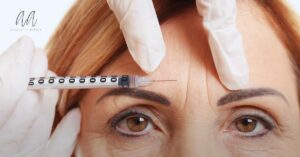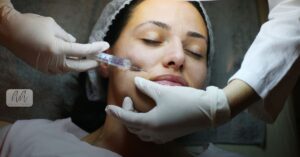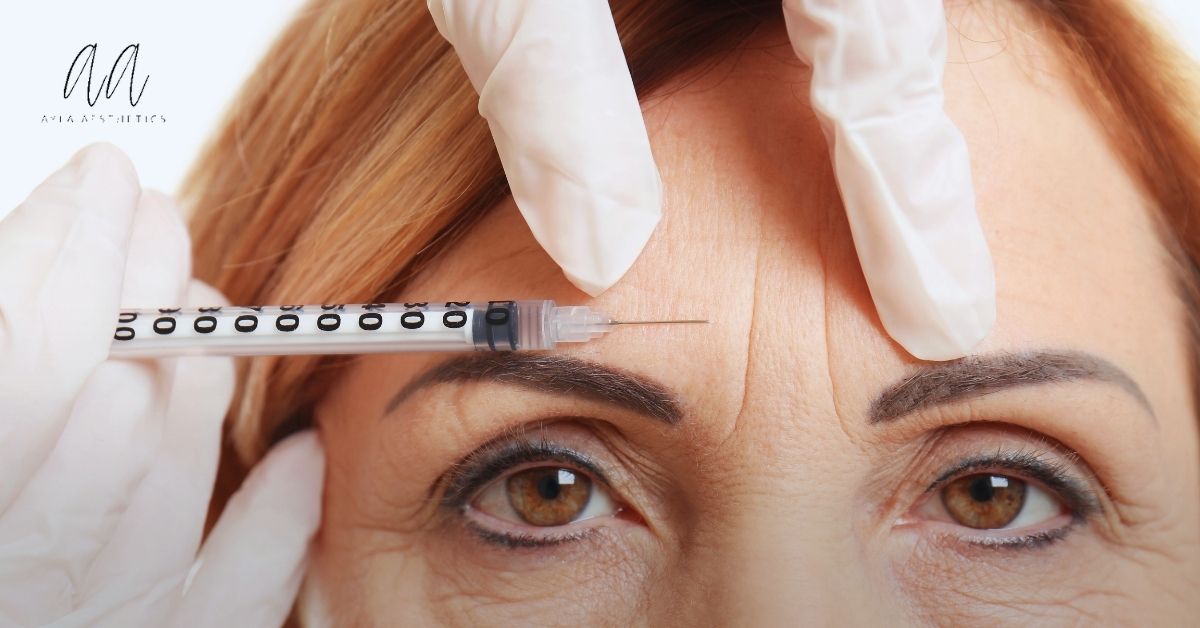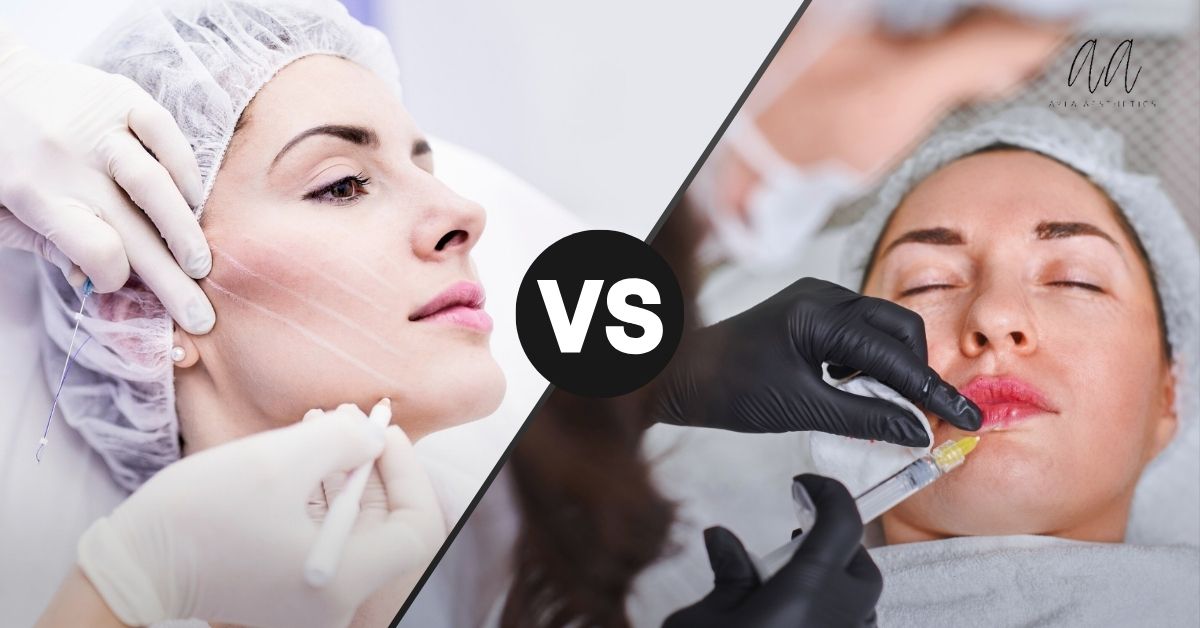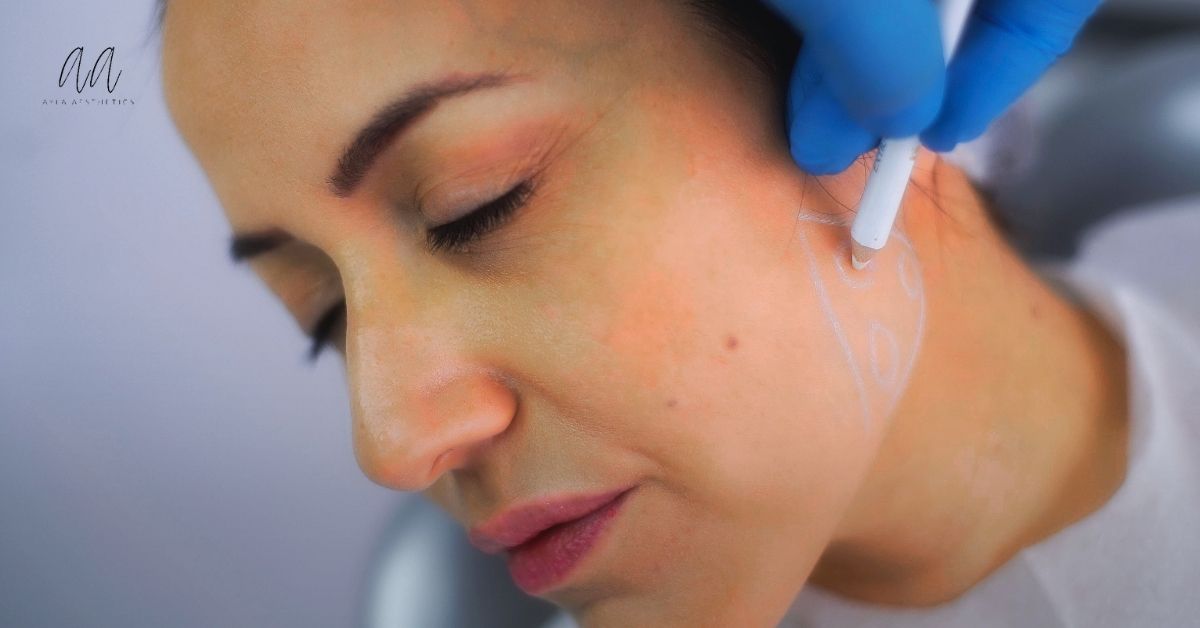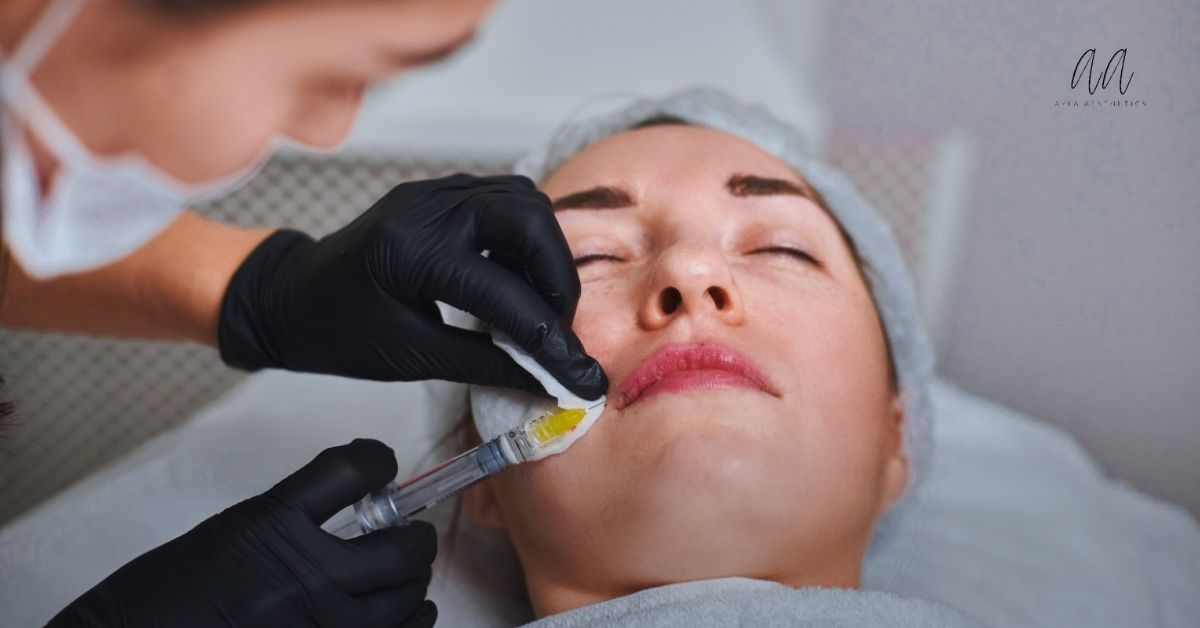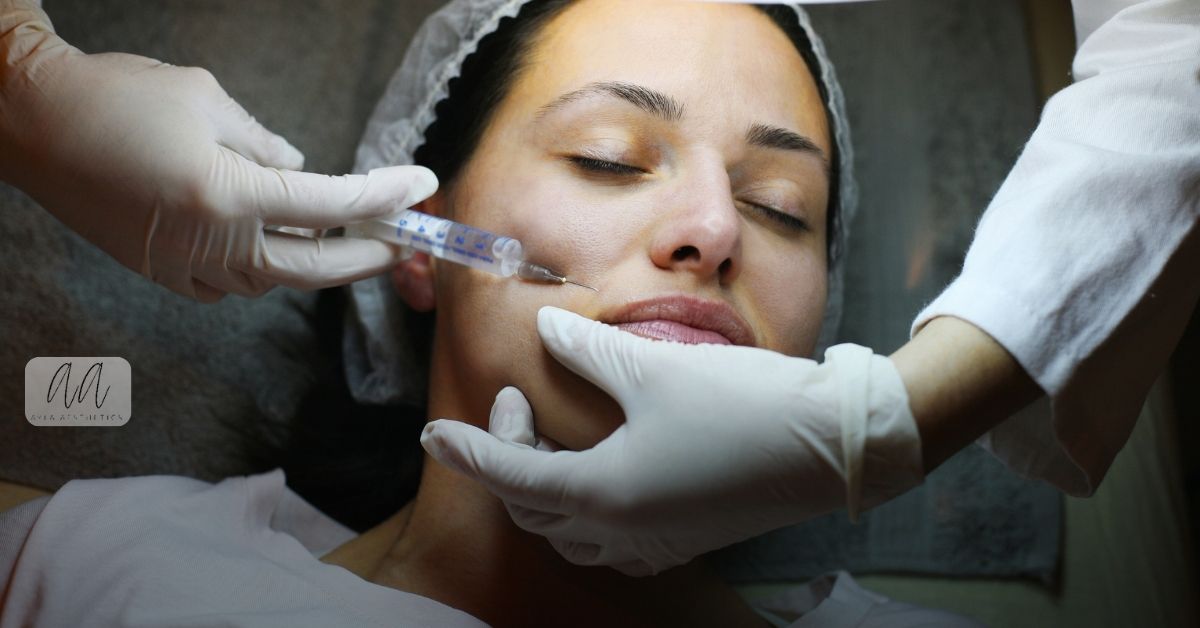
Preventative Botox is becoming popular among people in their late 20s and early 30s—and for good reason. Instead of waiting for wrinkles to show up, many are choosing to slow them down before they even start. Botox works by relaxing the muscles that cause expression lines, helping the skin stay smoother longer.
This early approach is about staying ahead of the aging process, not trying to change your appearance overnight. A few small treatments now can delay deeper lines later, making it a practical option for anyone who wants their skin to age more slowly and naturally.
In the next sections, we’ll break down what preventative Botox is, who it’s for, and why starting early can make a noticeable difference over time.
What Is Preventive Botox?
Preventative Botox is a simple approach: use small amounts of Botox before wrinkles fully set in. Instead of fixing deep lines later, the goal is to slow them from showing up in the first place.
Botox works by relaxing facial muscles that create lines from repeated expressions like frowning or squinting. When these muscles move less, the skin above stays smoother over time. This doesn’t mean you’ll lose expression—it simply reduces the constant creasing that leads to visible wrinkles.
People in their late 20s and early 30s use preventative Botox to maintain a natural look as they age. It keeps early lines faint and helps delay the need for more intensive treatments later.
Why Start in Your Late 20s or Early 30s?
Most fine lines start forming in your late 20s and early 30s. These lines appear from everyday expressions like smiling or squinting. At this stage, they’re shallow and easier to manage, which makes it the ideal time for preventative Botox.
Starting Botox early helps keep these lines from becoming deeper and harder to smooth out later. It slows the development of wrinkles by limiting the muscle movement that causes them. So instead of fixing etched lines in your 40s or 50s, you’re simply preventing them from getting worse now.
This approach gives you more control over how your skin ages. It keeps your face looking natural — just smoother for longer. Starting early often means using smaller doses and fewer treatments over time.
Common Areas Treated
Preventative Botox focuses on the areas where early lines show up most from repeated expressions.
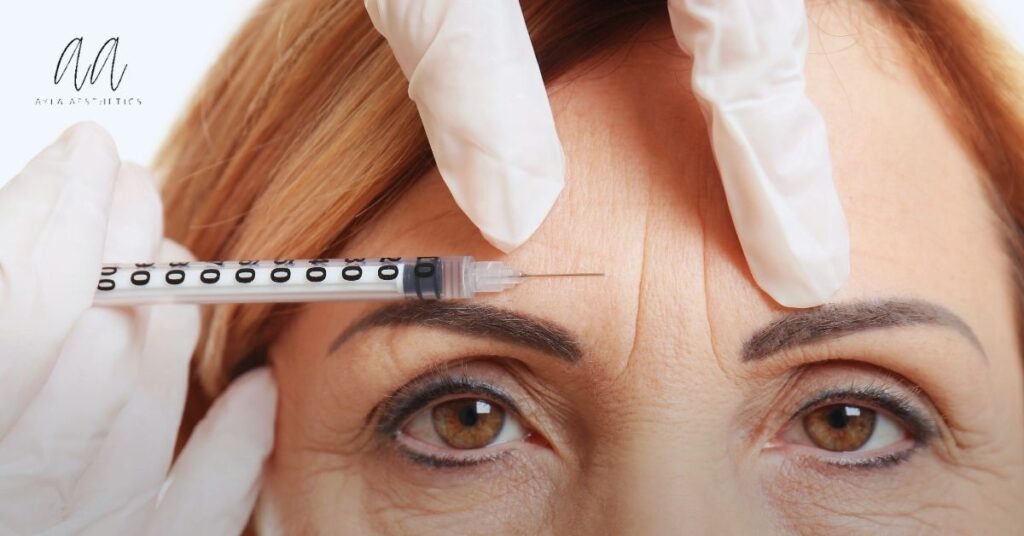
- Forehead Lines: These appear from raising your eyebrows. Botox keeps this area smooth without freezing movement.
- Frown Lines (11s): The vertical lines between your eyebrows form from frowning or concentrating. Treating them early helps stop them from becoming deep grooves.
- Crow’s Feet: These lines around the outer corners of your eyes come from smiling or squinting. A light dose can soften them while keeping your smile natural.
These areas are common because they cause the most through daily expressions. Treating them early helps your skin stay smooth as you age.
How Much Botox Do You Need for Prevention?
Preventative Botox usually requires fewer units compared to treating deeper wrinkles. Since the goal is to soften muscle movement—not stop it completely—a light dose is often enough.
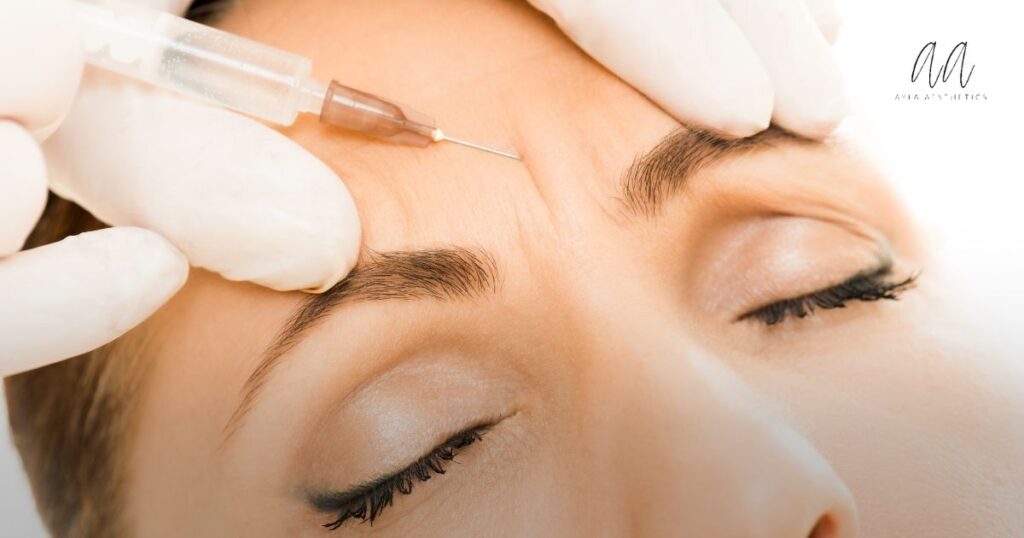
For most people in their late 20s or early 30s, treatment may start around:
- Forehead: 6–10 units
- Frown lines: 10–15 units
- Crow’s feet: 6–12 units per side
However, the exact amount depends on your muscle strength, facial expressions, and desired result. A skilled injector will assess your face, start with a low dose, and adjust gradually if needed. Starting with less helps keep your face expressive and natural.
How Often Should You Repeat It?
Preventative Botox typically lasts about 3 to 4 months. Most people schedule treatments 3 times a year to maintain smooth skin and prevent early lines from deepening.
However, how often you need it depends on:
- How active your facial muscles are
- How quickly your body breaks down the product
- The dose used during your session
Some people may stretch their treatments longer, while others benefit from staying on a consistent schedule. The goal is to keep muscles relaxed just enough to stop lines from forming without changing how your face naturally moves.
Is Preventive Botox Safe?
Yes, preventative Botox is safe when performed by a licensed and experienced injector. Botox has been used for decades and is FDA-approved for cosmetic use. The risks are low, especially with small, preventative doses.
Most side effects are mild and temporary, such as slight swelling or redness at the injection site. These usually fade within a few hours. Serious complications are rare and often avoided by using a trained professional who understands facial anatomy.
If you’re considering Botox, be open about your health, medications, and goals during your consultation. This helps ensure the treatment is right for you and keeps your experience safe and smooth.
Cost and Value
Preventative Botox typically costs less per session than corrective treatments later in life. Since smaller doses are used, the upfront price is usually lower. Most people spend between $150 $300 per area, depending on where they live and the injector’s experience.
While it’s an out-of-pocket expense, starting early can save money long-term. Treating deep wrinkles often requires more units, more sessions, and sometimes additional treatments like fillers. By maintaining smooth skin now, you reduce the need for more aggressive and costly procedures later.
Think of it as a gradual investment in your skin’s future — steady, subtle, and more affordable over time.
Who Should Avoid It?
Preventative Botox isn’t for everyone. You should avoid it if you’re:
- Pregnant or breastfeeding: Botox is not approved for use during these stages.
- Living with certain neurological conditions: Some disorders may interact negatively with Botox.
- Allergic to any ingredient in the product: Always disclose allergies during your consultation.
- Uncomfortable with injectables: If you prefer to stick to skincare or non-invasive treatments, that’s okay too.
If you’re unsure, a consultation with a qualified injector can help you decide if Botox fits your goals and health profile.
Conclusion
Preventative Botox is a small step that can make a big difference over time. By starting in your late 20s or early 30s, you’re choosing to slow down visible aging before it begins—not fix it after it shows up.
This approach keeps your skin looking smoother with minimal treatment, lighter doses, and less cost in the long run. It’s a smart option if you want to age naturally and stay ahead of deeper lines.
As always, consult with a trained injector to see if it’s right for you. Prevention isn’t about perfection—it’s about staying proactive and confident in your skin for years to come.